Receive fast and reliable urgent care with advanced EKG services in Katy, TX, designed to evaluate your heart health accurately and efficiently. At Memorial Health Urgent Care and Infusions, our experienced medical team provides timely diagnostics and personalized care to address your symptoms and concerns. For more information, contact us or schedule an appointment online. We are conveniently located at 26077 Nelson Way, Katy, TX, 77494.
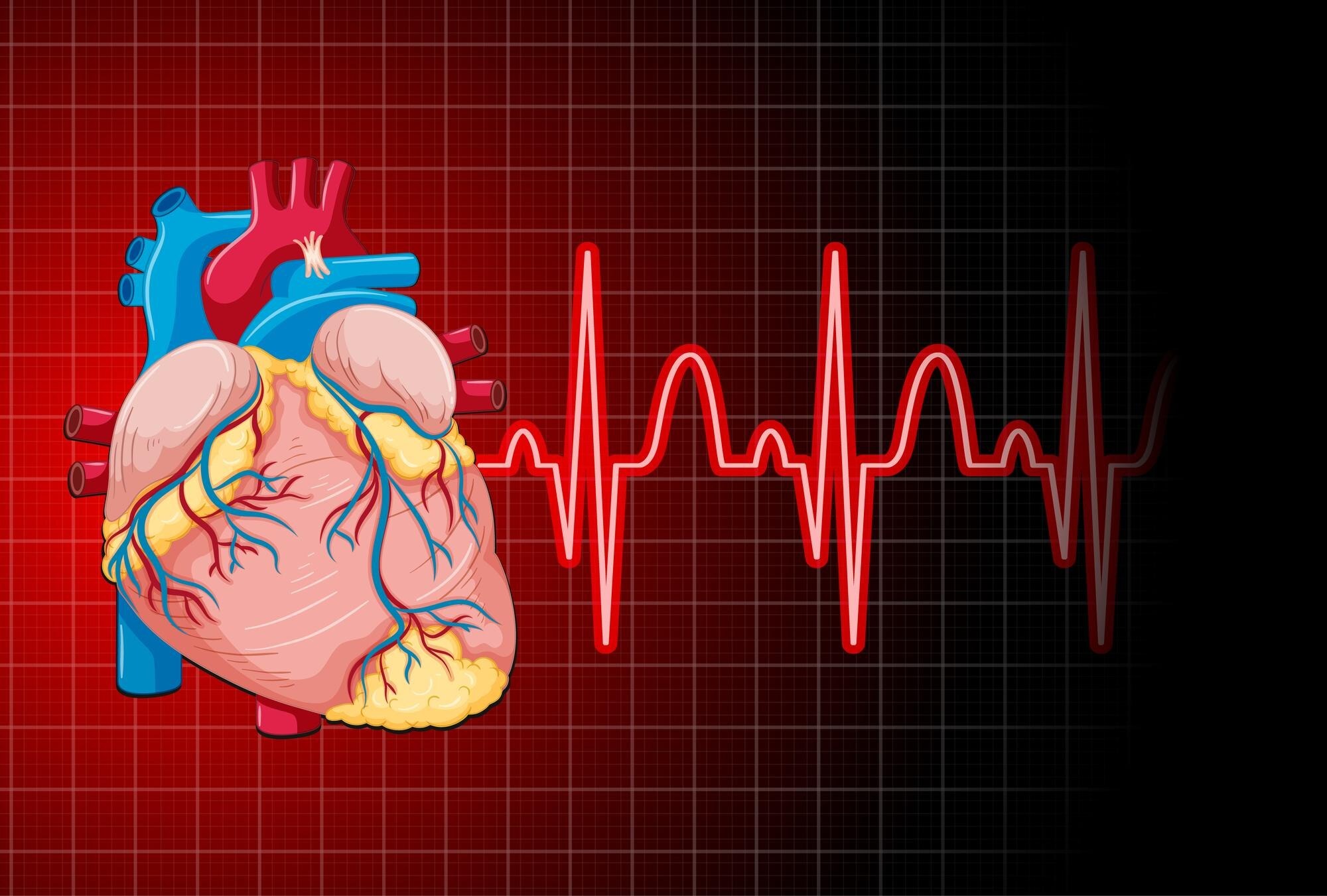
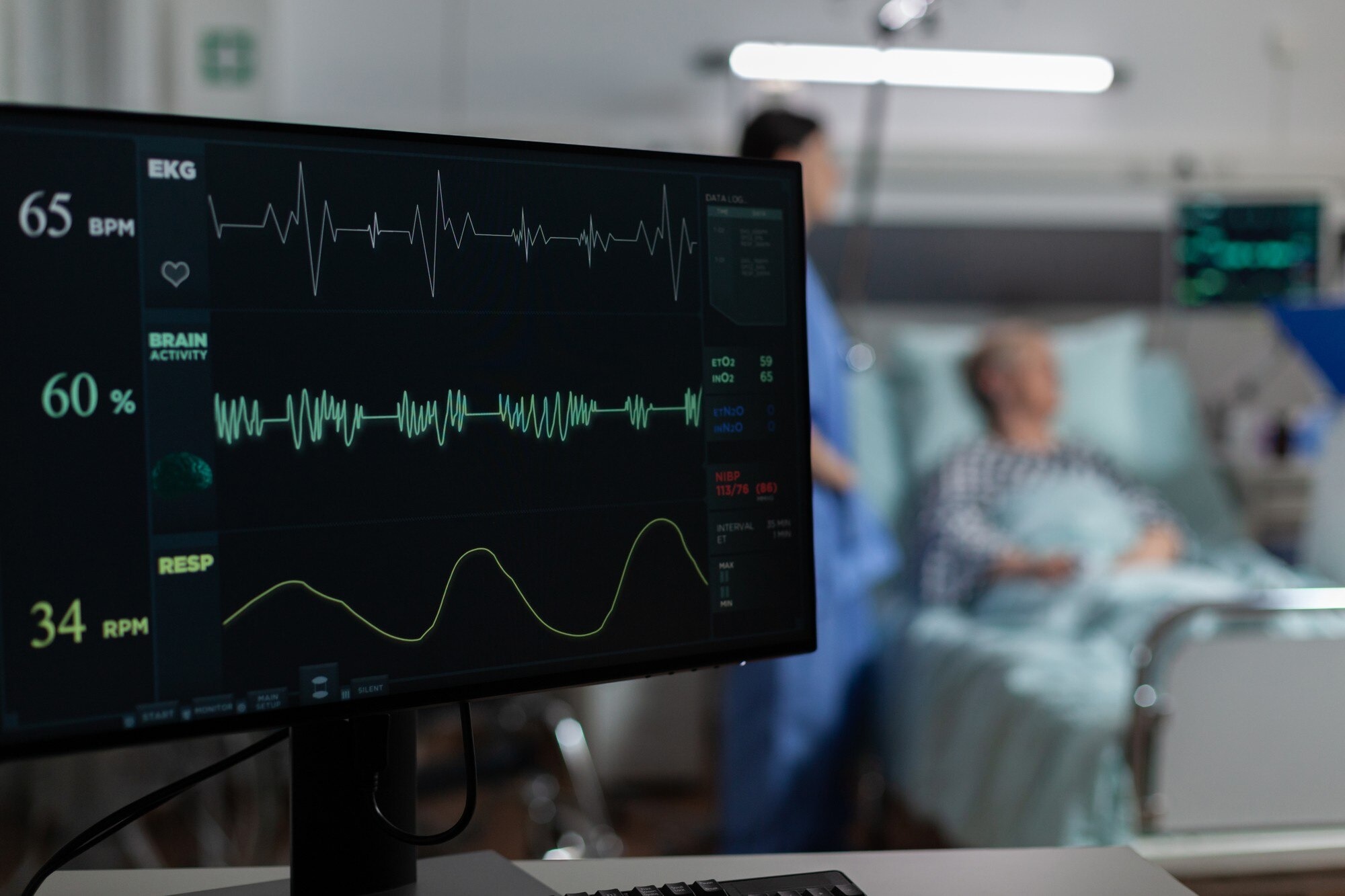
An electrocardiogram (ECG or EKG) is a simple and non-invasive test that records the electrical activity of the heart over time. It is performed using a device called an electrocardiograph, which works by placing small electrodes on the surface of the skin to capture the heart’s signals.
Each heartbeat is controlled by electrical impulses that begin in the upper chamber of the heart and travel throughout it. An ECG tracks these signals and shows how the heart is beating. By analyzing these patterns, healthcare providers can identify irregular heart rhythms and detect potential heart-related conditions.
Heart Health Matters—Get Checked Today
Don’t ignore symptoms like chest discomfort or irregular heartbeat. Visit our urgent care for fast, reliable EKG testing and expert care without long ER wait times.
Schedule Your Visit Today

An EKG is performed to evaluate heart health and detect potential issues such as heart disease, arrhythmias, or damage to the heart muscle. It is commonly recommended for symptoms like chest pain, dizziness, shortness of breath, or irregular heartbeat. It is also used for routine checkups, monitoring existing heart conditions, and assessing the effectiveness of treatments or medications.
Preparing for an EKG is simple. Wear comfortable clothing that allows easy access to your chest, arms, and legs. Avoid applying lotions or oils to your skin before the test, as they can interfere with the electrodes. It’s also recommended to avoid caffeine, alcohol, and heavy exercise shortly before the test. Make sure to stay relaxed and inform your provider about any medical conditions or medications.
An EKG can identify irregular heart rhythms, signs of poor blood flow, and previous or ongoing heart attacks. It can also detect enlarged heart chambers, electrolyte imbalances, and issues with the heart’s electrical system. This information helps healthcare providers diagnose conditions early and create effective treatment plans.