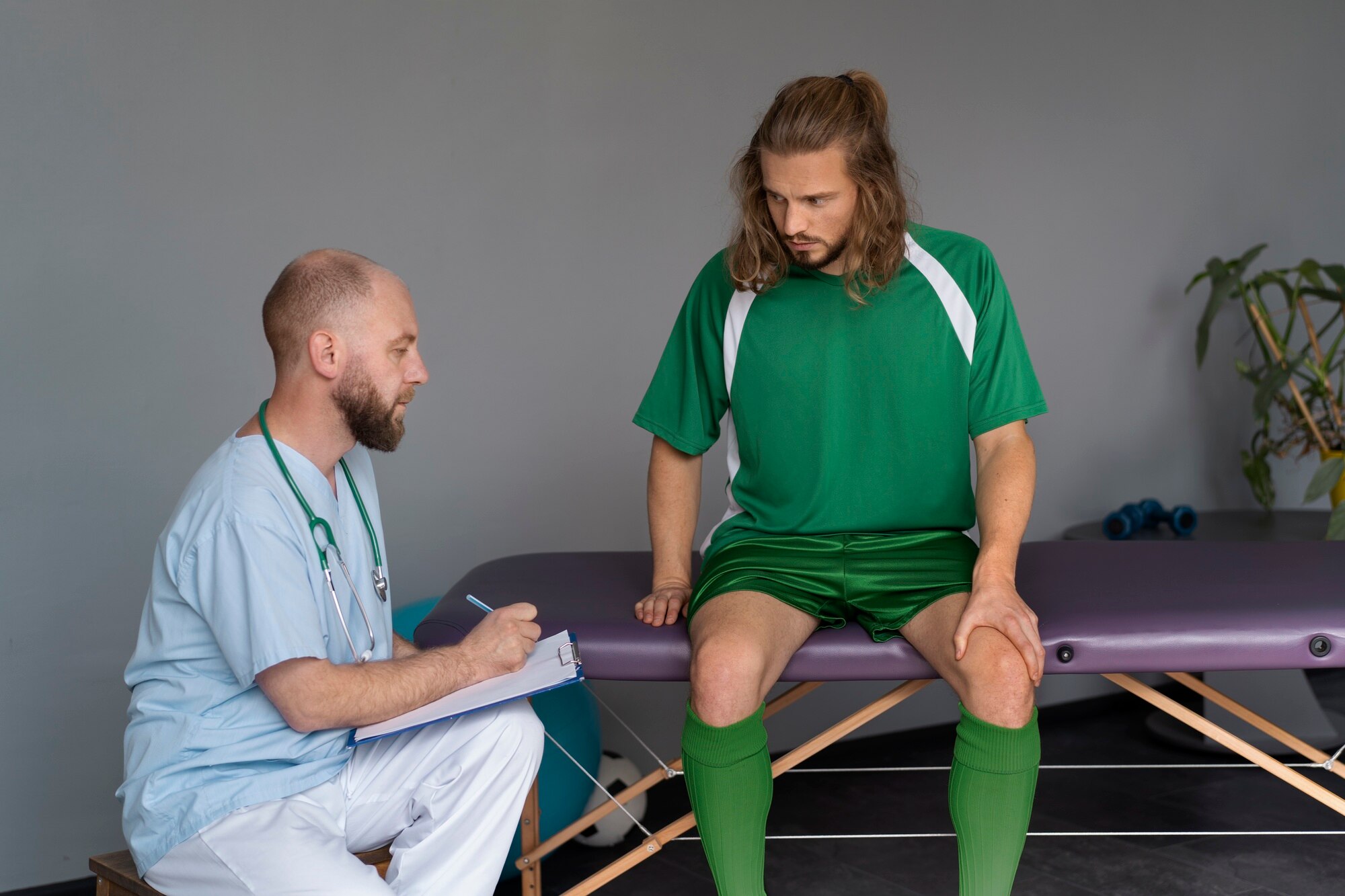
A sports physical is a pre-participation medical evaluation for children or adults who are involved in athletic activities. It helps assess overall health and medical history to identify any potential risks before participating in sports. This evaluation ensures that individuals are physically fit and helps reduce the risk of injury during physical activity.
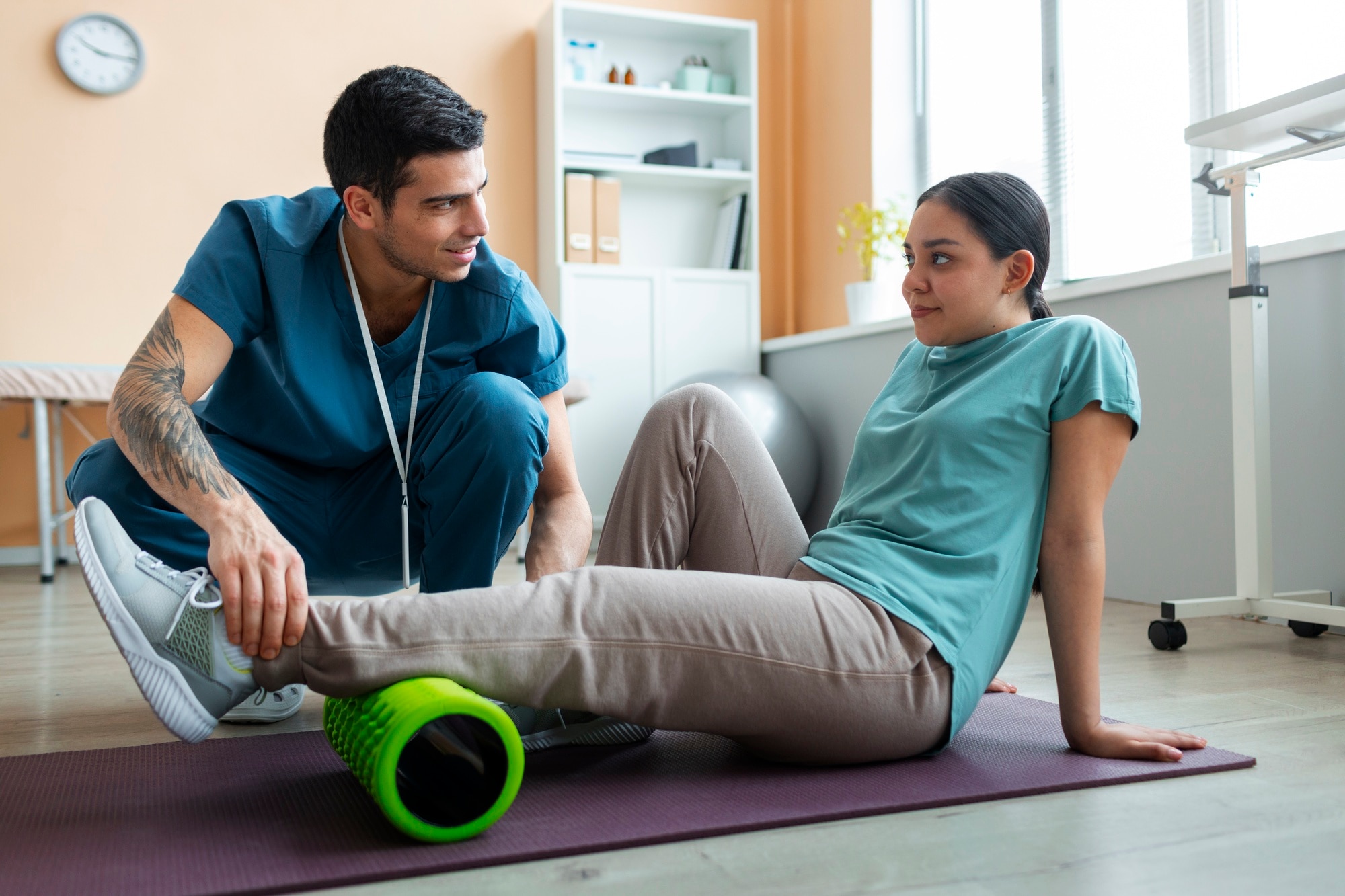
Physical education, often referred to as PE or Phys. Ed., is a school subject taught worldwide that focuses on physical activity, movement, and overall fitness. It is included in both primary and secondary education and helps students develop psychomotor, cognitive, and emotional skills while promoting a healthy and active lifestyle.
When taught effectively in a positive environment, physical education provides many health benefits for children and teenagers. It can help reduce the risk of metabolic diseases, improve heart and lung (cardiorespiratory) fitness, and support better mental health. In addition, regular participation in PE classes can also positively influence student behavior, focus, and academic performance.
Check Our Offers
Take care of your health and stay active with professional medical support. Visit our clinic or schedule an appointment today for quality care and guidance.
Contact Us Today
A sports physical is a medical exam that evaluates whether a person is healthy and safe to participate in sports or physical activities. It helps identify any health risks, past injuries, or underlying conditions that could affect performance or safety.
It is often required by schools or sports organizations before participation in athletic activities.
During a sports physical, the healthcare provider reviews the patient’s medical history, including past illnesses, injuries, allergies, medications, and family history.
A physical examination is also performed, which may include checking height, weight, vision, heart, lungs, blood pressure, muscles, bones, and joints. If everything is normal, clearance forms are signed for sports participation.
A sports physical focuses specifically on whether a person is fit and safe to participate in sports activities. It mainly checks injury risk, physical fitness, and conditions that may affect sports performance.
A regular physical is more comprehensive and evaluates overall health, including development, mental well-being, lifestyle habits, vaccinations, and general medical screening.
Children are often active in sports and physical activities, which increases the risk of injuries. Sports physicals help detect any medical conditions or risks that could make participation unsafe.
They also help doctors recommend safe exercise routines, preventive care, and injury prevention strategies, ensuring children stay healthy while staying active.